
More than a trophy: the PR value of industry awards
Industry awards can deliver far more than recognition. Becky George explores how a strategic approach to awards can uncover valuable stories, build credibility and strengthen communications.
More than a trophy: the PR value of industry awards
Industry awards can deliver far more than recognition. Becky George explores how a strategic approach to awards can uncover valuable stories, build credibility and strengthen communications.
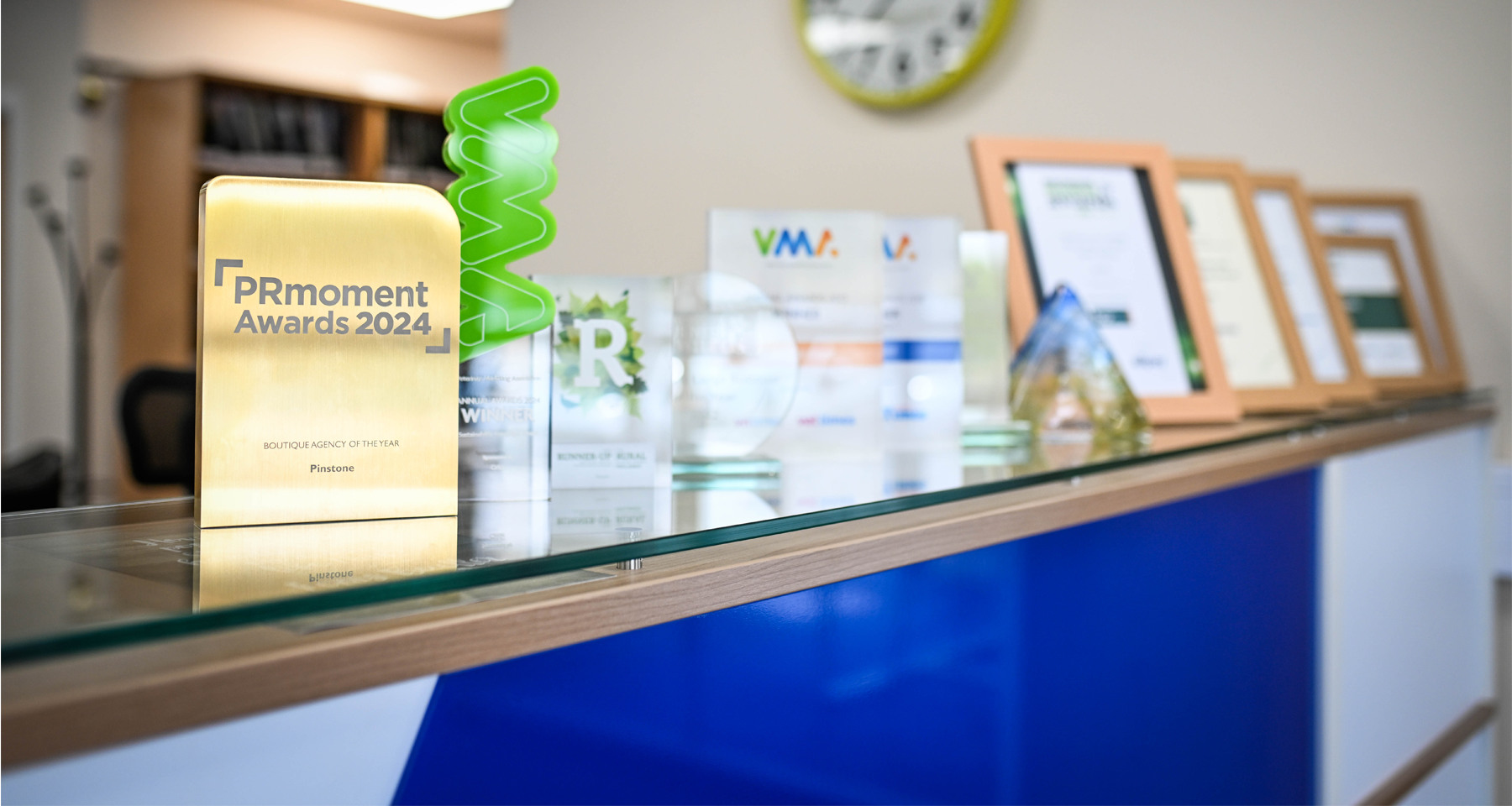
Everyone loves winning an industry award. There's the excitement, the recognition and, of course, the obligatory photograph clutching a shiny trophy.
Having worked on numerous successful award submissions over the years, I'd argue that if the trophy is all you take away from the experience, you're missing a trick.
In fact, some of the most valuable outcomes happen long before anyone gets near the stage.
Preparing an award entry forces businesses to stop, take stock and properly scrutinise what they've achieved. That can be a surprisingly revealing process.
I've found that some of the strongest stories emerge from achievements that businesses caught up in day-to-day operations barely even recognise as noteworthy. Sometimes it takes an outside perspective to uncover something rather special. That's where the real PR value of an awards strategy begins.
A trophy isn't a strategy
Industry recognition can be incredibly valuable, particularly in specialist sectors such as food, farming and the environment, where technical expertise, credibility and trust matter enormously.
Yet entering awards for the sake of entering them is not a strategy.
Before committing time and resources, I'd always ask what we're actually trying to achieve.
Is it about showcasing a new innovation? Demonstrating technical leadership? Recognising exceptional people? Or showing the industry what a business is capable of delivering? The answers will determine which awards and categories are worth pursuing.
It's also important to look beyond the awards themselves. Who's judging? And will that recognition mean anything to the customers, stakeholders and industry audiences you're trying to influence?
A relevant industry accolade can carry far more weight than a prestigious-sounding award that means very little to your market. Not all awards are created equal, and neither is the value they deliver.
Finding the story behind the specifications
One of the biggest challenges in writing award entries is looking beyond the technical details, simplifying the complexities and delivering a compelling story that judges can easily buy into.
Our work with livestock environment specialist Galebreaker on its CEVEC (Cost Effective Ventilated Environment for Calves) project is a good example that received highly commended recognition in the innovation category at the 2026 Cream Awards.
The project brought together new technologies to address longstanding challenges in calf housing, supported by independent research demonstrating benefits for animal welfare and farm businesses.
The communications challenge wasn't simply explaining how the technology worked. It was demonstrating the improvements it delivered and its huge benefits for the dairy sector. Being able to answer the ‘so what’ is a principle that applies to PR in all its forms including awards entries.
Don’t just make impressive claims - prove them!
A common pitfall is confusing activity with impact and I'm a firm believer that evidence is what separates a good story from a genuinely persuasive one. Our award-winning campaign for Livetec Systems illustrates the distinction.
At the 2026 Veterinary Marketing Association Awards, Pinstone won PR Campaign of the Year for its work promoting Livetec's Livestock Protect platform and encouraging more proactive biosecurity across the poultry sector.
The campaign secured 97 pieces of media coverage across 37 industry publications, generating 3.2 million impressions.
Yes, these are impressive figures, but the result that really mattered was engagement with the platform from more than 4,800 producers. That demonstrated the campaign was doing more than generating headlines and reaching exactly the right audience.
Whether it's independent research, customer feedback, commercial results or measurable changes in behaviour, evidence gives judges credible proof of the difference being made.
Don't forget the people
Innovation and commercial success tend to grab the headlines, but sometimes the most compelling stories are about the people making them happen.
I think businesses can underestimate just how influential individual recognition can be. Take Galebreaker's Chloe Rodriguez, who won Farm Adviser of the Year at the 2026 British Farming Awards.
With less than five years' industry experience, Chloe has already established an impressive combination of expertise in animal behaviour, research and practical on-farm experience.
Her nomination not only showcased how she applied that knowledge to help livestock producers improve animal health, welfare and productivity but also her genuine enthusiasm and passion for the industry.
The judges recognised her technical expertise, proactive approach and commitment to evidence-based advice. Its not just a fantastic personal achievement for Chloe, but also a powerful demonstration of the specialist knowledge within Galebreaker’s business.
For companies built on expertise, relationships and trust, that kind of recognition is truly worth celebrating.
The awards ceremony shouldn't be the end of the story
Of course, winning is brilliant. I certainly wouldn't suggest otherwise!
My observation is that treating the awards ceremony as the finish line means overlooking much of the potential value.
A well-planned awards programme provides opportunities to build awareness, engage stakeholders, recognise employees and reinforce a business's expertise.
More importantly, I've found that the process of developing an entry can uncover a wealth of material for future communications.
The research, conversations and evidence gathered can lead to customer case studies, technical features, expert commentary, speaking opportunities and wider thought leadership.
And at the end of the day, even if you don't win, that work doesn't suddenly become worthless. An unsuccessful entry may still reveal a fantastic story, highlight where evidence needs strengthening or help a business better articulate what makes it different.
That said, not every shortlist announcement warrants a press release. An accolade is only interesting to journalists if there's a relevant story behind it. The trick is identifying what the recognition demonstrates and why it matters.
Which brings me back to where I started.
For me, a successful awards strategy shouldn't begin and end with the question: Can we win this?
It should be asking: What do we want this award to demonstrate, who are we trying to influence and how can we make that recognition work harder for the business?
Because trophies are lovely. But the stories, credibility and opportunities you uncover along the way? They're what can deliver lasting value.
About the author
Becky joined the team in 2020, bringing a wealth of agency experience to the mix. A lifelong lover of storytelling, she adds creativity, curiosity and a fresh perspective to Pinstone's communications campaigns across the food, farming and environmental sectors.
More recent insights

In farming communications, the messenger is just as important as the message
The next big issue in food might not be making headlines yet.
Is EuroTier worth the investment? How to make your PR and marketing count

Sign up to our newsletter
Keep your finger on the pulse.