
The next big issue in food might not be making headlines yet.
From changing consumer habits to mounting supply-chain pressures, food businesses have more information at their fingertips than ever. But are they using it to spot opportunities and shape conversations? Pinstone director Hannah Lloyd reflects on the importance of looking beyond the headlines.
There's no shortage of headlines and data telling food businesses what they should be worried about.
Food inflation, changing consumer habits, sustainability, regulation, labour shortages, supply chain resilience, AI. Every week brings another report, prediction or headline demanding our attention.
But with so much noise, how do we work out what really matters? And more importantly, what should we be doing about it as businesses involved in the value chain?
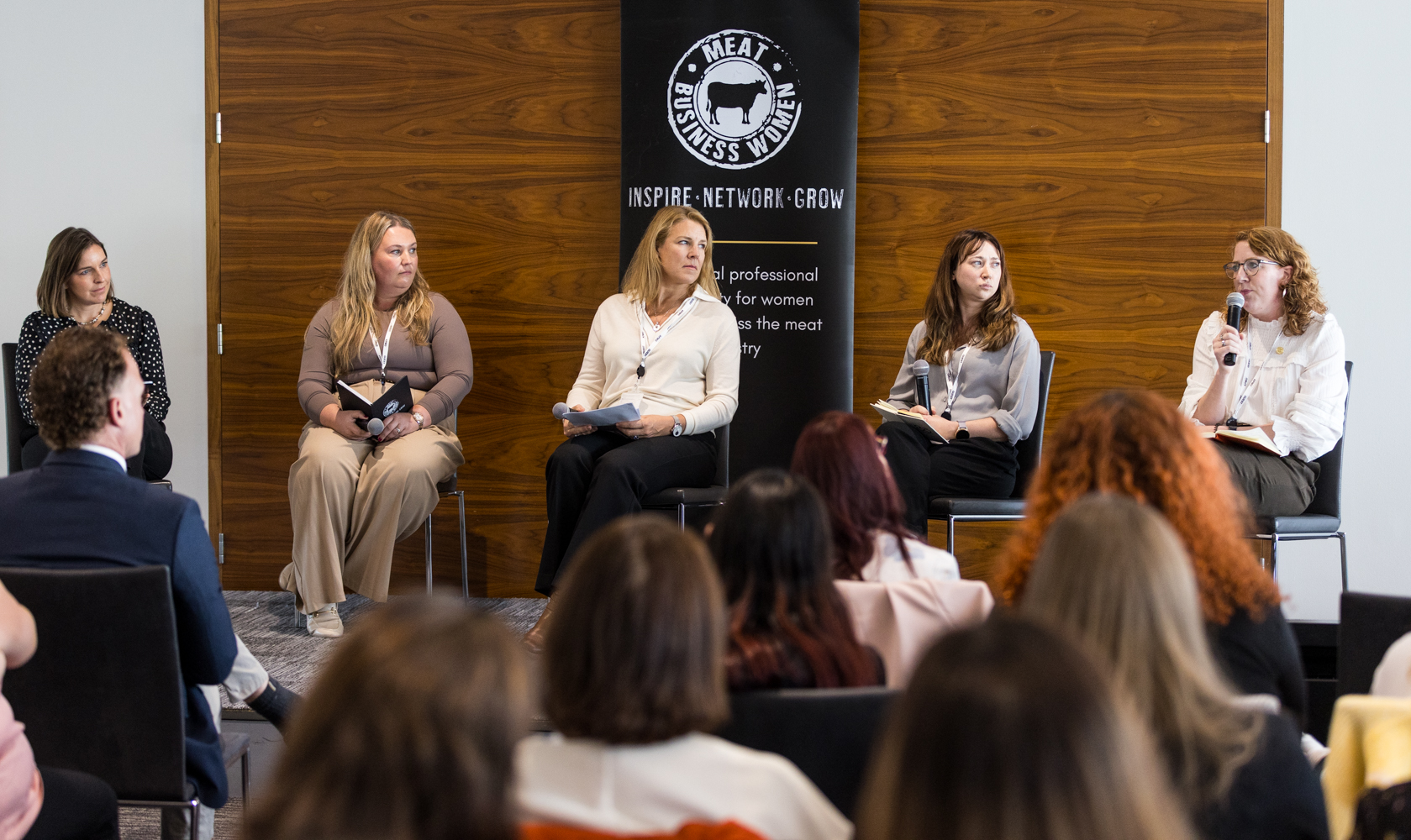
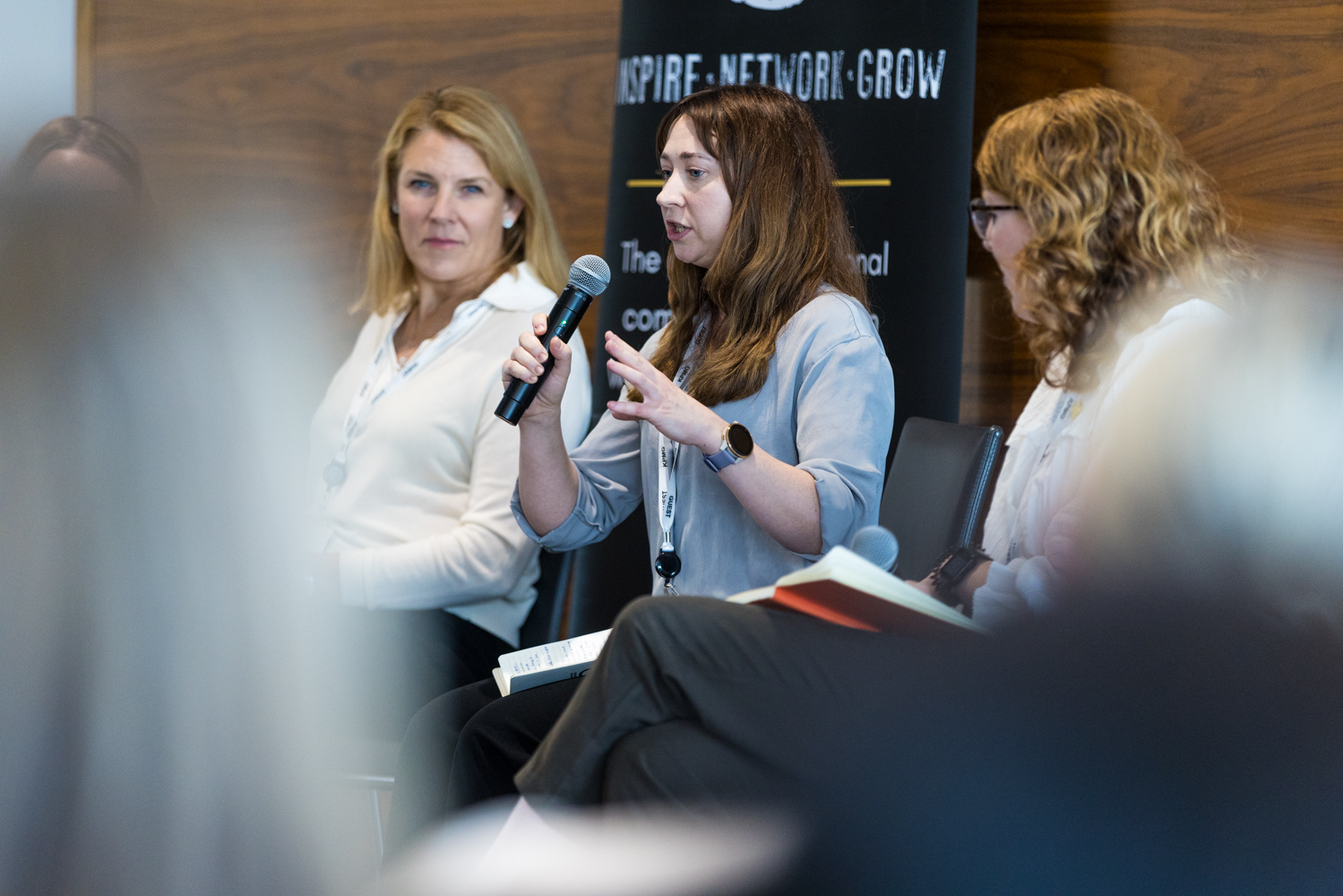
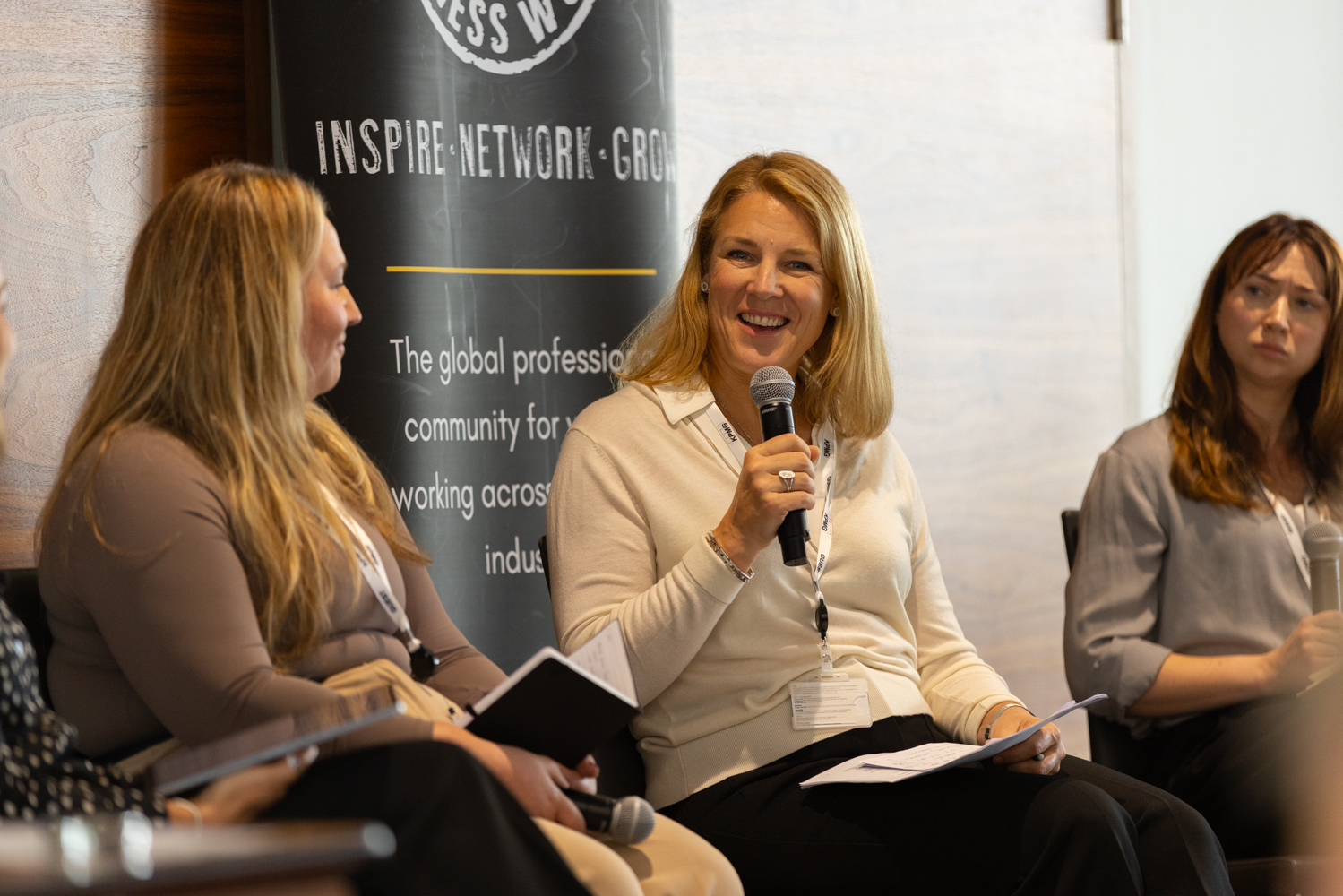
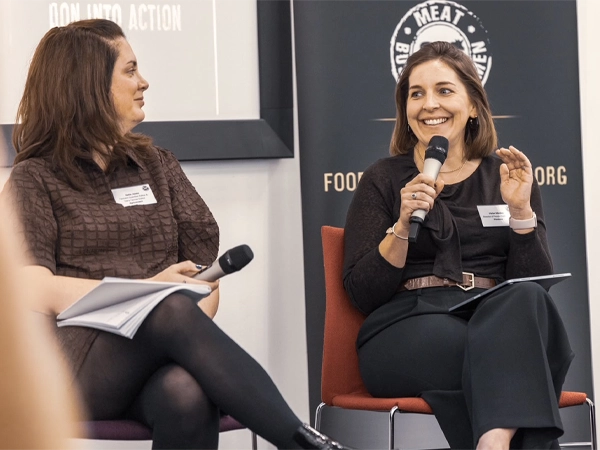
It's a question that was front of mind when I was preparing for the insights session we were asked to deliver for the regional Meat Business Women autumn conferences. We brought together media and industry contacts to bring a panel discussion to life under the title; Beyond the headlines: What's hot, what's next and what's being missed?.
At the Birmingham conference, I was joined by Bethan Grylls, editor of Food Manufacture, Charlotte Forkes-Rees, retail analyst from AHDB and Sarah Bradbury, CEO of IGD, with fellow Pinstone director Helen Maiden skilfully chairing the discussion.
Between us, we brought perspectives spanning media, food manufacturing, consumer behaviour, industry insight and strategic communications.
And for me, that combination of insight is where the real value lies.
You can read Helen’s insight from chairing the Bradford conference here, where we were joined by Katie Jones, editor of Farmers Guardian and Charlotte Forkes-Rees, retail analyst from AHDB.
Are we looking beyond our own part of the industry?
One of the challenges facing businesses across the food supply chain is that we can become very focused on what's happening immediately around us.
Farmers are thinking about profitability and policy. Manufacturers are managing costs, productivity and labour. Retailers are responding to changing shopper expectations. And consumers are making decisions based on price, convenience, health and value.
But none of these things happens in isolation.
A change in consumer eating habits can influence product development, manufacturing investment and ultimately what farmers are being asked to produce.
Equally, decisions being made on farms today could have implications for food availability and sourcing years down the line.
That's why I think it's so important to look beyond our immediate sector, customers or competitors.
Our work at Pinstone takes us across agriculture, food manufacturing, retail supply chains and the wider rural economy. That breadth gives us a useful perspective on how issues connect, where expectations differ and what might be coming next.
And increasingly, I think that's the sort of understanding businesses need from their communications consultants.
It's not enough to know what's happening in your own market. You need to understand what's influencing it and how it impacts audiences at different intersects.
Not every trend deserves your attention
Something I wanted the Birmingham delegates to think about was the difference between spotting an emerging trend and knowing whether it's worth acting on.
We're surrounded by data. Consumer surveys, market forecasts, policy announcements, industry reports and media coverage all provide clues about where things might be heading.
But there's a danger in treating every new finding as an opportunity for a campaign or a comment.
Take changing attitudes towards health and nutrition, for example. Interest in protein, fibre, functional foods and convenience is creating opportunities for food businesses. However, what that means for a meat processor will be very different from what it means for an ingredients supplier or a retailer.
The important question isn't simply whether a trend is growing. It's whether that trend is relevant to your business, your customers and the expertise you can offer.
When we're advising clients on what issues or trends to own, there are three questions I think are particularly useful to delve into:
- Is it real? Is there credible evidence of a meaningful change, rather than an isolated headline?
- Does it matter? Could it affect your customers, suppliers, commercial priorities or reputation?
- Can you add value? Do you have the knowledge, experience or evidence to make a worthwhile contribution and be a true ‘thought leader’?
That last question is particularly important.
Thought leadership isn't about having an opinion on everything. It's about recognising the conversations where you have something valuable to contribute that will mean something to your audience.
What are we missing by not listening?
Our own Pinstone Pulse research is a good example of why I believe businesses need to look beyond assumptions and surface level trends.
We could see sustainability conversations increasing between food businesses and farmers. But we were also seeing a disconnect between the language organisations were using and the realities farmers were experiencing.
To substantiate what we had observed, we asked 344 farmers what they thought.
The resulting report, Sustainability: From Pressure to Partnership, highlighted the importance of recognition, consistency and practical support, alongside the need to communicate in language that resonates with farmers.
It challenged the idea that simply talking more about sustainability would encourage greater engagement.
For businesses trying to influence change across their supply chains, that's an important distinction.
You can have ambitious sustainability objectives and a carefully developed communications strategy. But if you haven't understood the people you're trying to engage, how effective will either be?
The old adage that good communications should start with listening, not simply deciding what we want to say, has never been truer.
Businesses and individuals should be bolder, we have a great story to tell
The final part of our panel discussion focused on what businesses might be overlooking.
And I think one of the biggest missed opportunities is the knowledge already sitting inside organisations.
Across the food industry, there are people solving difficult problems every day. Technical specialists, commercial teams, farmers, nutritionists, sustainability leads and operational experts all have experience that could add real value to wider industry discussions.
Yet how often does that expertise make it beyond the business?
Organisations tend to think of communications opportunities in terms of launches, announcements and major milestones.
However, some of the most interesting conversations are happening long before there's a finished product or a newsworthy announcement.
What are your technical teams seeing that customers should know about? What challenges are your suppliers facing? Which assumptions about your industry could your experience help challenge?
There's also a growing reason to take this seriously.
As AI changes how people search for information, research trends and understand complex issues, the importance of credible, accessible information is vital.
If your organisation has genuine expertise but very little of it is visible beyond your own walls, you're missing opportunities to contribute to the information people find.
That doesn't mean publishing content for the sake of it. And it certainly doesn't mean every business needs to comment on every controversial issue.
It means being clear about the subjects where you have credibility, understanding the risks and making a considered decision about how to contribute.
The businesses that do this consistently are likely to be in a stronger position when those issues become mainstream conversations. It will also ensure there is accurate, and credible information available when people look, painting a more positive, ‘good news’ picture of our sector.
From reacting to leading the conversation
One of the things I enjoy most about working in specialist, strategic communications is being able to join the dots for clients.
A conversation with a farmer supplier, a new piece of consumer research, a regulatory development or a story emerging in the trade media might seem unrelated at first.
But put them together and they can reveal something important about where an industry is heading.
That's what we wanted to demonstrate through the Meat Business Women panels.
The value isn't simply in knowing what's making headlines today. It's in understanding what those developments mean for your business, what might happen next and where you have an opportunity to contribute or lead conversations.
So perhaps the question for food businesses isn't what should we be talking about next?
It's what should we be paying more attention to now, before everyone else starts talking about it?
And who within our organisations might already have something worth saying?
Pinstone is proud to be the communications partner of Meat Business Women, supporting its work to champion women and develop future leaders across the food supply chain. The panel, Beyond the headlines: What's hot, what's next and what's being missed?, formed part of the organisation's 2026 Northern and Midlands conferences.
Hannah Lloyd is director of sales and marketing at Pinstone, a specialist PR and communications agency working across agriculture, food and the environment.

More recent insights

Sustainability: The biggest marketing challenge in agriculture?
Pinstone wins PR campaign of the year at the VMA awards
British farming has a good story to tell. So why aren't we telling it?

Sign up to our newsletter
Keep your finger on the pulse.