
British farming has a good story to tell. So why aren't we telling it?
Consumer trust in British farming remains strong, yet farmer confidence is worryingly low. Pinstone director Helen Maiden reflects on why better communication across the food supply chain matters more than ever.
There's no shortage of negative headlines about British agriculture. Rising costs, policy uncertainty, environmental pressures and concerns about the future of food production.
And while these challenges are having a significant impact on farming businesses, I do wonder whether we're becoming so focused on the problems that we're overlooking some of the opportunities in front of us.
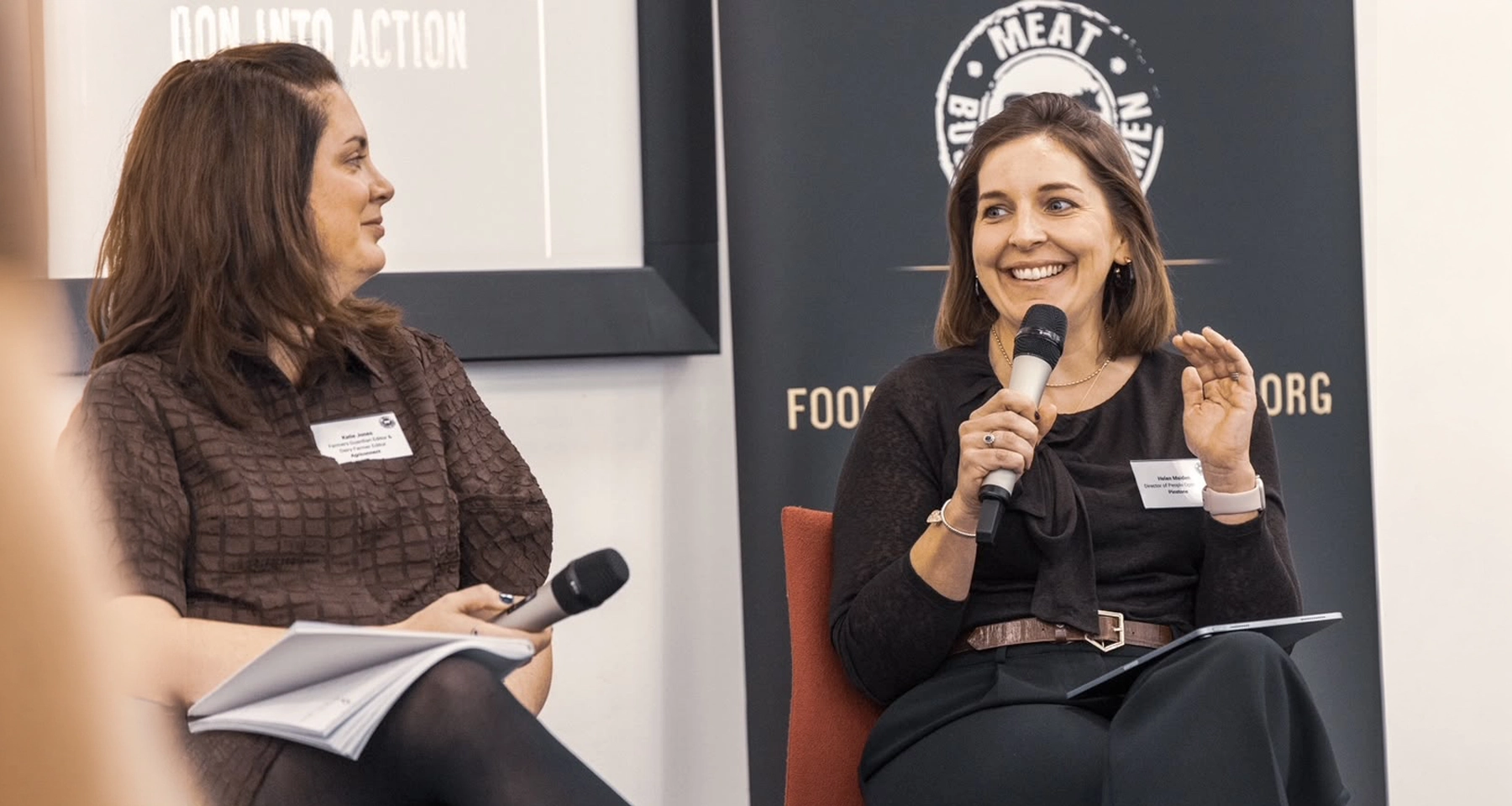
It's something that struck me when I chaired a panel discussion, Beyond the headlines: What's hot, what's next and what's being missed?, at the Meat Business Women Northern Conference 2026 in Bradford.
I was joined by Katie Jones, editor of Farmers Guardian, Charlotte Forkes-Rees, retail and consumer insight analyst at AHDB, and my colleague Hannah Lloyd, director at Pinstone.
Farmers are losing confidence, but consumers still trust them
One of the biggest concerns raised during the discussion was the lack of confidence among British farmers.
As Katie explained, rising production costs and continued uncertainty around agricultural policy are making it increasingly difficult for farmers to plan for the future. And the consequences extend well beyond the farmgate. Decisions being made now about investment and livestock numbers could have a significant impact on future food production.
What's interesting, though, is how different the picture looks when we turn to consumers.
While farmers are questioning their future, demand for their produce remains strong. As Charlotte highlighted, 99% of British households buy meat, fish or poultry over the course of a year, while AHDB research shows that 77% of consumers consider farming a trustworthy profession.
That's a much more encouraging picture than some of the headlines would have us believe.
And it made me question whether we're doing enough to connect these two sides of the story.
Of course, positive consumer sentiment won't resolve the financial and political pressures facing farmers. But surely we should be doing more to make sure they understand the value consumers place on British food, while helping consumers appreciate the challenges involved in producing it.
Are we sharing the right information across the supply chain?
That disconnect isn't just about confidence. It also raises questions about how effectively we're sharing information across the food supply chain.
We have access to more consumer insight than ever before, but how much of it is actually making its way back to the farmgate?
Farmers are making breeding, genetics and investment decisions years in advance, often without a clear picture of what consumers will want or what processors and retailers will value in the future.
And those expectations are changing.
Charlotte highlighted some interesting findings around Gen Z. Younger consumers aren't necessarily rejecting meat, but they're eating it differently, exploring world cuisines and choosing different cuts and meal occasions.
AHDB research also found that young farmers were surprised by how supportive Gen Z consumers were of British agriculture. While trust among younger consumers is lower than the national average, there's an appetite to learn more about where food comes from and how it's produced.
Surely that's an opportunity we should be making more of.
We need to understand how younger generations are making food choices and ensure we're reaching them through the channels they use. But equally, we need to be sharing those insights with farmers and businesses making decisions about future production.
For me, good communications should be helping businesses make better decisions, not simply promoting the end product.
If we're not telling our story, who is?
Of course, communicating about agriculture isn't always straightforward, particularly when it comes to animal production.
During the audience questions, someone from the poultry sector asked how businesses can overcome the fear of criticism when sharing positive stories.
And I completely understand that concern.
Animal production is complicated. It's an emotive subject, and finding the right balance between being open and protecting your business is far from straightforward. We shouldn't underestimate the challenges involved.
But equally, we can't always be on the back foot, responding to criticism rather than contributing to the conversation ourselves.
As Hannah highlighted, in a world of AI-driven search and generative engine optimisation (GEO), we need to think carefully about who is shaping the information people find about our industry.
If we're not putting credible, evidence-based information out there, who is?
That doesn't mean communicating without considering the risks. It means being prepared, understanding where the challenges might come from and having the confidence to talk about what we're doing well.
It's something we work through regularly with clients at Pinstone. How do you communicate openly about complex issues, protect your reputation and make sure your perspective is heard?
There's no simple answer, but staying silent isn't necessarily the safest option either.
Communications need to work harder for British agriculture
What stayed with me from the discussion was how much opportunity there is to improve communication, both within the food supply chain and with the wider public.
We have farmers who need greater confidence in their future, consumers who value British food and businesses with access to insight that could help inform decisions across the industry.
But we're not always connecting those things particularly well.
And while we have plenty of positive stories to tell, we need to be more confident about sharing them, without underestimating the complexities involved.
For me, that's where strategic communications can make a difference. Not simply generating positive headlines, but building understanding, sharing knowledge and helping businesses make informed decisions.
With so much change facing British agriculture, I think we need to be giving that a lot more attention.
About Meat Business Women
Meat Business Women is a global professional network supporting and connecting women working across the meat industry. Through events, networking, mentoring and professional development, it works to improve gender representation and support career progression across the sector.
Pinstone is proud to be the communications partner of Meat Business Women, supporting its work to champion women and develop future leaders across the meat supply chain.
Helen Maiden is a director at Pinstone, a specialist PR and communications agency working across agriculture, food and the environment.
More recent insights
How to choose a PR agency (and why most businesses get it wrong)

Sustainability: The biggest marketing challenge in agriculture?
Pinstone wins PR campaign of the year at the VMA awards

Sign up to our newsletter
Keep your finger on the pulse.