

How to choose a PR agency (and why most businesses get it wrong)
Choosing a PR agency is rarely a small decision. For many organisations in the farming, food and environmental sectors, it sits at the point where commercial ambition, reputation and stakeholder trust all meet. Done well, it can help move the business forward in a meaningful way. Done poorly, it becomes a stream of activity that looks busy but delivers little.
The challenge is that many businesses approach the decision in the wrong way.
They look for outputs. They compare costs. They assess credentials at face value. And in doing so, they often miss the factors that actually determine whether an agency will create value.
So what should you really be looking for?
The mistake most organisations make
A common starting point is: “We need PR support.”
From there, the conversation quickly moves to press coverage, social media, campaigns, content.
All valid. But all secondary.
Because PR, at its best, is about helping an organisation influence the people that matter, in a way that supports a wider commercial or reputational objective.
If that objective is not clearly understood, or if the agency is not equipped to shape it, the work quickly becomes reactive. Outputs increase, but impact is harder to see.
The right agency should not just respond to a brief. They should help define the right answer.
What actually matters when choosing a PR agency
There are a number of practical considerations when selecting an agency, but the most important ones tend to sit beneath the surface.
1. Do they understand your world?
This goes beyond sector labels.
In agriculture, food and environmental markets, communications rarely operate in a simple commercial environment. There are multiple stakeholders, competing priorities, regulatory pressures and public scrutiny to navigate.
An agency needs to understand:
- How your market operates
- What your audiences care about (and what they are sceptical of)
- The pressures shaping your decisions
Without that, recommendations may sound polished but lack relevance.
Strong consultancy starts with genuine understanding, not just of the brief, but of the wider context in which it sits.
2. Will they challenge you constructively?
It is easy to find an agency that will agree with you.
It is far more valuable to find one that will advise you.
Good PR support is consultative. It involves judgement, not just delivery. That means testing assumptions and suggesting alternative approaches.
In some cases, it also means advising against activity that is unlikely to deliver value.
This should never feel obstructive. Done well, it is constructive, evidence-based and focused on achieving a better outcome.
If an agency never pushes back, it is worth asking whether you are getting the full benefit of their expertise.
3. Can they turn thinking into clear strategy and messaging?
Ideas are not enough on their own.
An effective agency should be able to translate understanding into:
- A clear communications direction
- Prioritised audiences
- Messaging that is credible, consistent and usable
This is often where the real value sits.
Without a defined strategy and messaging framework, activity can become fragmented. Different pieces of work may look good in isolation, but lack a consistent thread or purpose.
Clarity at this stage makes everything that follows more effective.
4. Do they focus on outcomes, not just activity?
It is relatively easy to generate activity.
It is much harder, but far more important, to demonstrate value.
A good agency should be able to explain:
- What success looks like at the outset
- How communications activity supports that outcome
- How results will be assessed and reported
This does not mean reducing PR to simple metrics. It means maintaining a clear line between what is being done and why it matters.
If reporting focuses only on volume, it may be missing the bigger picture.
5. Will they manage the relationship professionally?
This is often underestimated.
Strong delivery depends not just on ideas, but on how the work is run:
- Clear communication
- Defined expectations
- Reliable follow-through
- The ability to handle challenge calmly and constructively
The best agency relationships feel well held. Not dependent on personality, but built on consistency, professionalism and sound judgement.
Over time, this becomes a significant part of the value an agency provides.
The questions worth asking a potential PR agency
If you are exploring PR support, the quality of your questions will shape the quality of the responses you receive.
Some useful ones to consider:
- How will you develop your understanding of our business before making recommendations?
- What would you challenge us on, based on what you’ve seen so far?
- How do you decide whether a particular piece of activity is worth doing?
- What does success look like in a situation like ours?
- How do you ensure communications work stays aligned to commercial priorities?
The answers should give you a sense of how the agency thinks, not just what they do.
A note on sector context
In farming, food and environmental markets, communications often carry an added layer of responsibility.
These are sectors where trust matters and issues can be complex and, at times, sensitive.
That places greater importance on credibility over noise, substance and understanding.
An agency operating in this space needs to be comfortable working within that reality, and able to reflect it in their advice.
Final thought
Choosing a PR agency is not simply about finding a supplier to deliver activity.
It is about finding a partner that can understand your world, deliver strategic advice and help you make better decisions about how communications support your business.
When that is in place, the outputs tend to follow naturally and, more importantly, they start to deliver meaningful value.
If you are considering PR support and want a conversation grounded in your specific context, we are always happy to talk.
If farmers are your audience, it’s also worth reviewing Pinstone’s latest Pulse report here. Titled ‘From Pressure to Partnership’, it’s a report based on our research into how farmers really think, feel and act; the pressures shaping decision-making on farm, the progress already underway, and the factors that influence trust, engagement and willingness to change.
About the author - Catherine Linch
Catherine Linch is founder and managing director of Pinstone, a specialist PR and communications agency working across the food, farming and environmental sectors.
With decades of experience advising businesses on reputation, stakeholder engagement and strategic communications, she has built a strong track record in delivering meaningful outcomes for clients operating in complex and highly scrutinised markets.
Catherine has also served as Chairman of the British Guild of Agricultural Journalists and led Pinstone to achieve B Corp status, reflecting her commitment to responsible communications and long-term impact.

More recent insights

What does a great PR agency relationship look like?
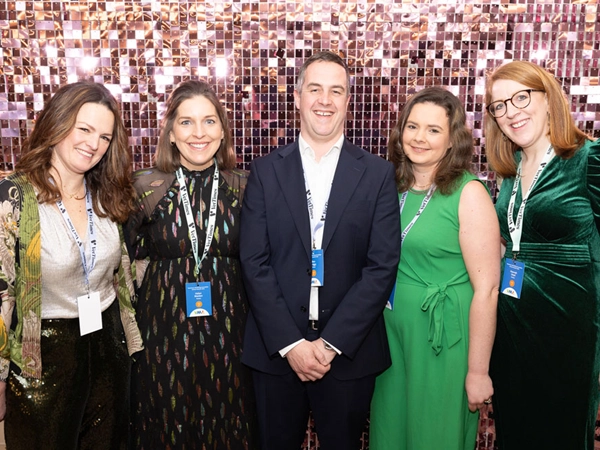
Pinstone wins PR campaign of the year at the VMA awards
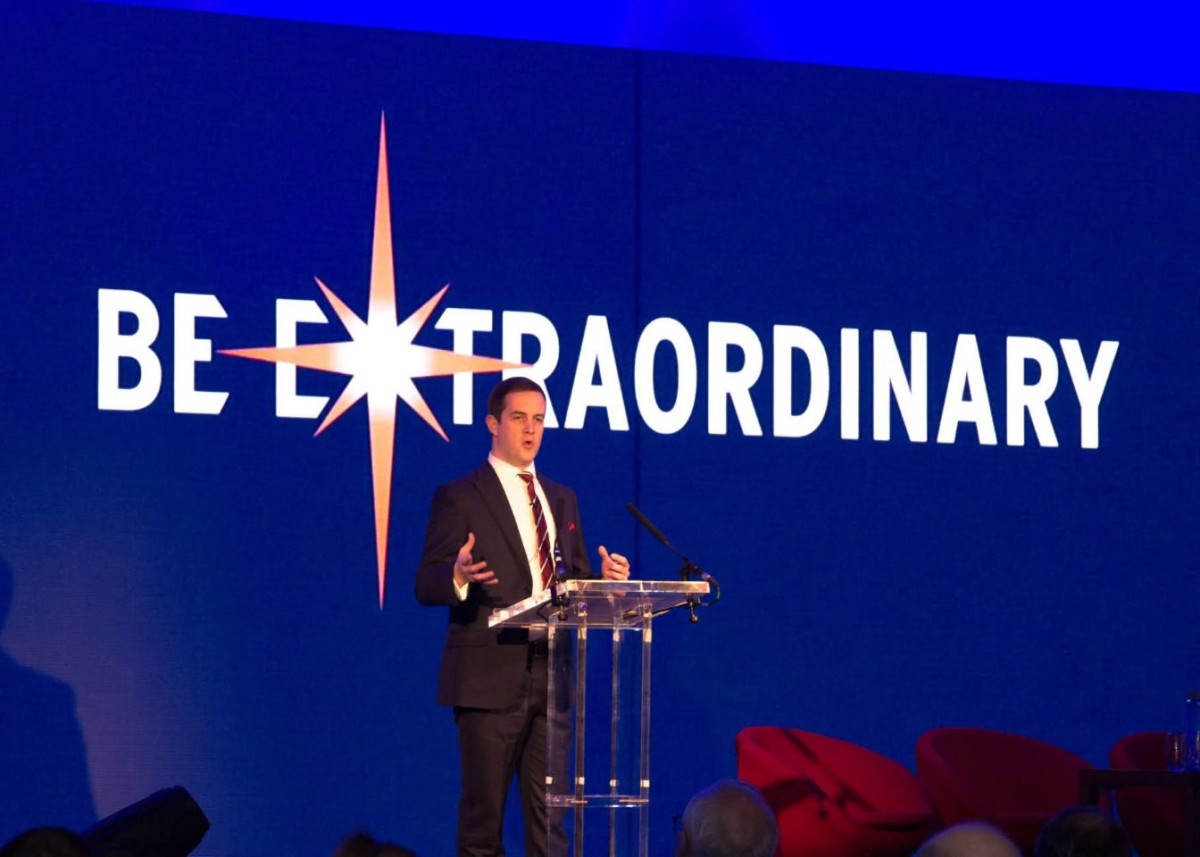
The importance of media training in food and farming industry

Sign up to our newsletter
Keep your finger on the pulse.