
The importance of media training in food and farming industry
It always comes as a personal surprise to see the mild panic a briefing with journalists, or even a panel discussion Q&A can provoke in speakers with a corporate story to tell.
In my previous existence as a journalist for more than 20 years, I guess I was always sat on the other side of the fence asking the questions and never really giving much thought to what it was like to give the answers.
Indeed, whether it was my years at Farmers Guardian speaking to farmers, or during my time working for regional dailies and business titles covering people’s stories on a local level, their time and willingness to freely talk was always cherished.
Communicating a brand message
But as soon as you add in a corporate message and the need to be on brand, the game changes. And while some will have the ability to fill the void with lots of words and not a lot of meaningful takeaways, for business leaders and industry representatives, an interview can be a crucial opportunity with the power to accelerate, stall or even damage reputations.
Even charismatic individuals can clam up in interviews and their message, and that of their business or industry body, can be lost in an increasingly panic-stricken fog of faraway looks and garbled replies.
Yet it does not need to be like this. Journalists are not monsters, contrary to popular belief, and in the farming and rural space we have a host of skilled writers and broadcasters who are not only experts at reporting the facts, but also sector experts with a deep understanding of their subject matter.
Preparing for a media interview
I have been so pleased during my time at Pinstone to help clients with media training and pointers about how to convey their messages.
Providing reassurance that they have the skills to handle the questions coming their way, or that they can take their time to respond in a manner which is devoid of technical jargon, has been a central theme.
Sometimes it is these simple refresher sessions that enable people to shine and potentially reset their delivery, even if only a little.
As we know from our Pinstone Pulse research, the ability to convey complex and technical information in a straightforward way which journalists, and therefore farmers, will understand will always allow the message to land in a more meaningful way. It is a fact that is easily forgotten.
Organising formal media training
More formal media training days also have a valuable place to teach the theory behind effectively conveying a message. They also provide a ‘safe space’ to practice, rehearse potential lines of questioning and learn from mistakes.
Using a studio setting is another method of creating a more pressurised scenario than may actually be the reality of an interview, but that mimics the lights, cameras and microphones of a real broadcast environment.
There’s nothing like practice under an intense setting to test your mettle.
Preparing for speaker and broadcast opportunities
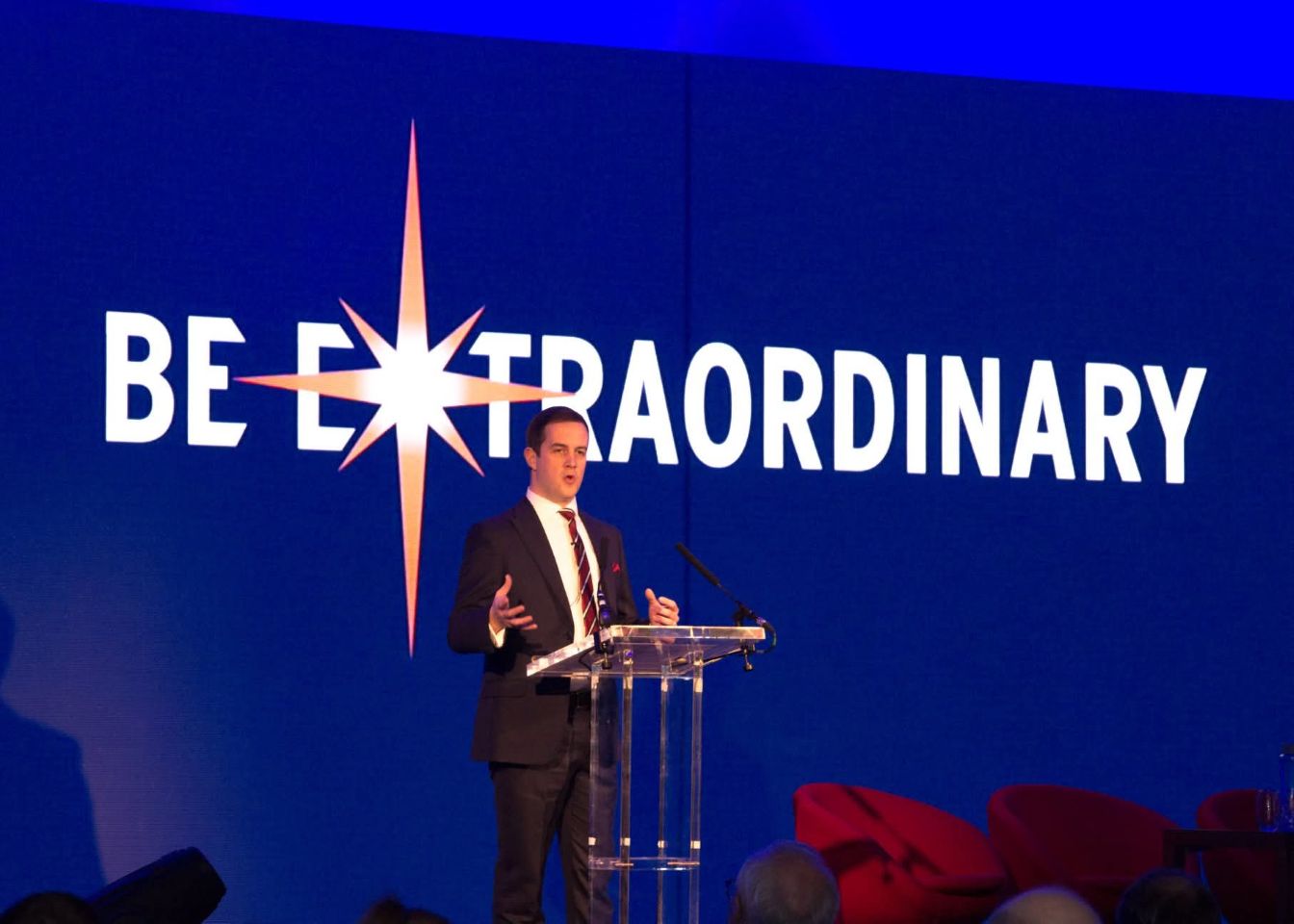
We must also realise that ‘media training’ is not always just about the media. It is about finding the confidence for those other platforms we find ourselves on, be it conference podiums for presentations or Q&As, or even those most unpredictable of audiences – farming discussion clubs.
After all, there’s no bigger challenge than trying to keep a small group of farmers awake in a warm meeting room, often after a meal of mammoth proportions has been consumed.
Whichever audience you find yourself talking to, Pinstone has the professional experience, coaching and the opportunity to facilitate developing interview confidence and media training that’s right for you and your role.
About Ben Briggs, associate director at Pinstone
During his career, Ben has chaired and presented a host of industry events such as the Semex dairy conference and for organisations such as the CLA and OF&G.
He hosted the British Farming Awards on four occasions and, during his time at Farmers Guardian, he was also a regular farming commentator for BBC Radio and TV. He has also spoken at farming discussion groups, NFU meetings and after dinner events across the UK.

More recent insights
How to choose a PR agency (and why most businesses get it wrong)
Pinstone wins PR campaign of the year at the VMA awards

What does a great PR agency relationship look like?

Sign up to our newsletter
Keep your finger on the pulse.