
Is EuroTier worth the investment? How to make your PR and marketing count
After my first visit to EuroTier, I can see why businesses invest so heavily in being there. But with thousands of exhibitors competing for attention, having a presence is one thing. Turning that investment into meaningful business opportunities is quite another.
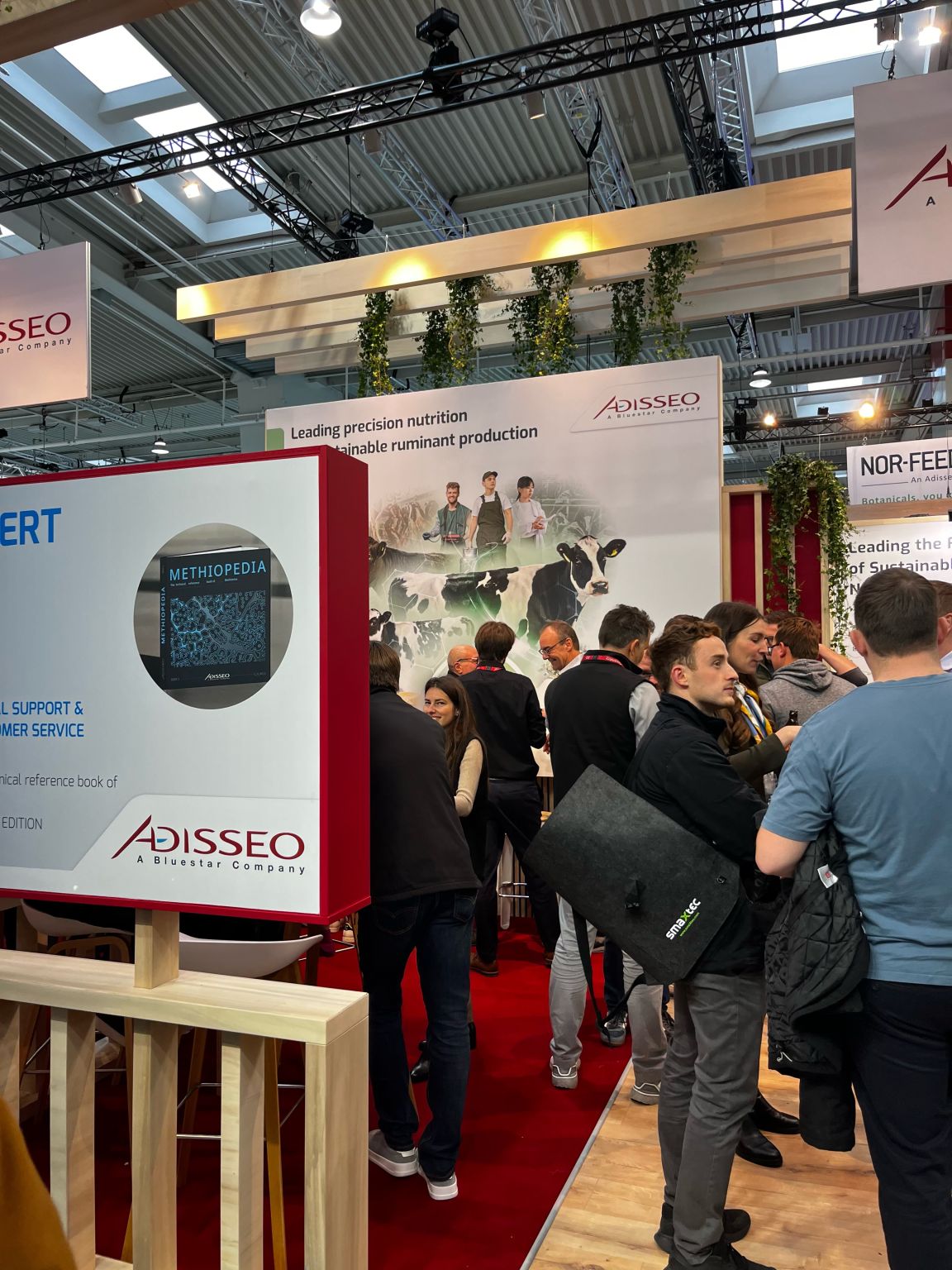
EuroTier is enormous. With more than 2,000 exhibitors spread across 13 halls, almost every aspect of livestock farming is represented, from animal nutrition and hygiene to machinery, technology and consultancy.
There are demonstrations, debates, drinks and even DJs. It's quite an experience.
This year, Pinstone had a very good reason to be there. We were working with global animal nutrition business Adisseo to deliver an international panel debate exploring how the dairy industry can accelerate progress towards more sustainable milk production.
Weeks of planning, speaker engagement, media relations and promotion culminated in a live discussion chaired by BBC journalist and broadcaster Tom Heap, bringing together experts from across the dairy value chain.
It was a significant international project for our team, but also an opportunity to see first-hand what businesses are doing to attract attention, engage audiences and make the most of their investment.
And it reinforced something I believe is fundamental to good PR: being visible isn't the same as being valuable.
Start with what you want to achieve
EuroTier offers enormous opportunities for agribusinesses, bringing together farmers, technical specialists, global business leaders, journalists and other influential voices from across the livestock industry.
But its scale is also its biggest challenge.
With so much happening, it's easy to become focused on attracting visitors, filling seminar seats or generating coverage without considering what those activities are ultimately intended to achieve.
Before committing to an exhibition, product launch or speaking opportunity, I'd encourage businesses to ask themselves a few questions.
Who are we trying to influence? What do we want them to think, understand or do differently? And how will our presence at EuroTier help us achieve that?
For some businesses, the priority might be building relationships in a new market. For others, it could be strengthening their reputation, engaging existing customers or establishing a stronger voice in an important industry conversation.
Those objectives should shape everything that follows, from the people you invite to the messages you communicate and the channels you use.
A busy stand or well-attended seminar might be encouraging, but neither necessarily tells you whether the investment has delivered what your business needed.
Give people a compelling reason to engage
One thing that struck me at EuroTier was just how much competition there is for people's attention.
Across the seminars and discussions I attended, sustainability and resilience were recurring themes. Both are hugely important to the future of food and farming, but they're also broad subjects that can mean very different things to different people.
If you're hosting a debate on sustainability, what are you bringing to the conversation that audiences haven't already heard?
For the Adisseo panel, the focus was on moving beyond the ambition of sustainable dairy production to explore the practical challenges of accelerating progress.
Bringing together perspectives from across the dairy value chain allowed the discussion to consider different priorities and challenges. Live audience engagement also gave panellists the opportunity to respond to views from the room and build on their arguments.
That approach matters because an interesting subject isn't necessarily enough. People need a reason to give up half an hour of their time, particularly when there are dozens of competing opportunities.
The same principle applies to product launches, media briefings and exhibition stands.
What's genuinely new? Why should your audience care? What will they learn or gain from engaging with you?
If those questions are difficult to answer, the solution probably isn't more promotion. It may be that the proposition itself needs further thought.
Build relationships before you arrive
EuroTier is simply too big to leave your schedule to chance.
Whether you're exhibiting, speaking or attending to develop relationships, some of the most valuable work happens before the doors open.
Use the event app and programme to identify relevant speakers, businesses and sessions. Connect with people through LinkedIn, make use of existing networks and arrange meetings or media briefings in advance.
If you're hosting an event, don't assume that appearing in the official programme will guarantee an audience.
Think carefully about who you actually want in the room and how best to reach them. That might involve direct invitations, existing industry relationships, speaker networks or targeted digital activity.
It's also worth understanding what support the organisers can provide. Check where your event will appear in the programme and app, how easily delegates can find it and what promotional opportunities are available.
Then make sure your own activity complements those channels, rather than simply repeating the same messages.
The practical details matter too. With 13 halls to navigate, clear locations, timings and reminders can make the difference between someone attending and missing your event altogether.
But don't fill every minute of your diary.
Some of the best opportunities we encountered came from conversations we hadn't planned.
Make your communications work together
For our Adisseo debate, we used a combination of traditional PR, direct media engagement, video and LinkedIn to build interest ahead of the event.
This included a pre-event press release, promotional video content featuring speakers and posts shared through their professional networks, alongside Adisseo's corporate channels.
The involvement of speakers was particularly valuable.
People connect with people, and a recognised industry expert explaining why they're contributing to a debate can be more compelling than another corporate post advertising an event.
It's a useful reminder that effective communications aren't necessarily about producing more content or using more channels.
They're about understanding who you want to reach, what will interest them and which voices they are most likely to listen to.
We also approached relevant international trade media ahead of the event, inviting journalists to attend and exploring opportunities for coverage following the discussion.
This is another area where businesses can miss opportunities.
EuroTier attracts an international audience. If your story has relevance beyond the UK, your media strategy should reflect that.
Consider which markets matter to your business, which publications and journalists influence those audiences and how your story might need to be presented differently to remain relevant.
The objective shouldn't simply be international coverage. It should be reaching the right people in the markets that matter.
Don't underestimate informal networking
One of the things I enjoyed most about EuroTier was the atmosphere.
The event is well known for its on-stand hospitality, with happy hours, themed lunches and networking events taking place across the exhibition.
By the evening, some stands have transformed into dance floors, complete with DJs and live music.
It's brilliant, but it's also good business.
These informal gatherings create opportunities to meet customers, journalists, industry experts and potential partners in a more relaxed setting.
I'd encourage businesses to make room for these conversations rather than concentrating exclusively on formal meetings.
Of course, networking needs a purpose too. A useful introduction is only the beginning. The value comes from understanding where there may be a genuine opportunity to develop a relationship and following it through afterwards.
Make the investment work beyond the event
One of the biggest mistakes businesses can make is treating the event itself as the finished piece of work.
By the time EuroTier closes, considerable time, money and expertise will have gone into preparing stands, creating content, organising meetings and bringing people together.
Why should all that effort stop when the exhibition ends?
A well-planned communications programme should consider from the outset how the activity can continue delivering value.
For example, an industry debate can provide material for thought leadership articles, media interviews, video clips and social content. The questions raised by an audience may help identify topics that deserve further exploration.
For the Adisseo debate, the discussion and audience contributions provide material for follow-up editorial and ongoing promotional activity, allowing the conversation to continue beyond the event.
The same thinking applies to business development. Follow up with people who attended, as well as those who expressed an interest but couldn't make it. Consider what you learned, which relationships are worth developing and what should happen next.
And importantly, look beyond the immediate numbers.
Attendance, media coverage and content engagement all provide useful measures of activity. But the more meaningful questions are whether you've reached the audiences you intended to, strengthened important relationships and made progress towards your wider business objectives.
Those outcomes may take longer to become evident, but they're ultimately what make the investment worthwhile.
So, is EuroTier worth it?
For businesses looking to build relationships, raise their international profile and contribute to important industry conversations, I think there's a huge opportunity.
But the businesses that get the most from EuroTier won't necessarily be those with the biggest stands or the busiest programmes.
They'll be the ones with a clear purpose, something relevant to say and a plan to turn attention into meaningful engagement.
My biggest takeaway from EuroTier is that successful event communications start long before the exhibition opens and should continue well beyond the closing day.
If you're planning a product launch, industry debate or wider communications campaign at an international event, Pinstone can help you define your objectives, engage the right audiences and make more of your investment through strategic PR, media relations and content marketing.

More recent insights

In farming communications, the messenger is just as important as the message
More than a trophy: the PR value of industry awards
Beyond climate despair – why the way we tell the story matters

Sign up to our newsletter
Keep your finger on the pulse.