
Why the Oxford Farming Conference is a masterclass in thought leadership
Every January, the Oxford Farming Conference (OFC) brings together farmers, policymakers, academics, innovators and business leaders to grapple with the most pressing issues facing agriculture. It is challenging, agenda-setting and unafraid to tackle complexity. It might be why the event has endured for nearly a century.
The opportunity presented by thought leadership
At its best, the Oxford Farming Conference isn’t simply an event.
It is thought leadership in its purest form.
It convenes credible voices, focuses on genuinely topical issues and creates the conditions for informed debate and new thinking. In a sector navigating policy reform, climate pressure, labour shortages and rapid technological change, OFC doesn’t follow the conversation; it helps shape it.
That distinction matters, because many organisations struggle to achieve the same impact with their own thought leadership.
What OFC gets right
Strong thought leadership has never been about saying the most, it’s about saying something that matters.
OFC does this by:
- Bringing together authoritative, diverse experts
- Addressing real, often uncomfortable challenges
- Encouraging debate rather than consensus soundbites
- Focusing on what comes next, not what’s already obvious
- It respects its audience’s intelligence and experience. It doesn’t dilute complexity for the sake of accessibility, and it prioritises insight over promotion.
These principles sit at the heart of effective thought leadership, and research shows just how often they’re missing elsewhere.
The evidence behind effective thought leadership
Recent global research by Coleman Parkes, titled “How Thought Leadership Wins Attention, Trust, and Business”, explores what senior decision-makers actually value in thought leadership content. It's been helpfully summarised on the PR Moment news feed here.
One of the clearest findings is a growing relevance gap. While most organisations believe they are producing thought leadership, a significant proportion of decision-makers say much of what they encounter fails to meet their needs.
The research highlights that high-impact thought leadership is:
- Action-oriented: Helping audiences make better decisions
- Original: Offering perspectives that go beyond industry consensus
- Evidence-led and credible: Grounded in expertise and data
- Targeted and commercially relevant: Connected to real challenges
In short, it must earn attention rather than assume it.
Again, this should sound familiar, because it closely mirrors what the Oxford Farming Conference has consistently delivered.
What farming and food organisations can learn
For farming and agri-food organisations, thought leadership isn’t about reacting to headlines or repackaging safe viewpoints. It’s about having the confidence to lead a conversation, even when the answers aren’t neat.
That means:
- Taking a clear, informed point of view
- Speaking directly to the pressures your audiences face
- Offering insight that helps people think differently, and act differently
At Pinstone, we see time and again that the most effective thought leadership reflects the same disciplines OFC has embodied for decades: credibility, relevance and purpose.
A timely reminder
As this year’s conference gets underway, it offers more than sector insight. It provides a powerful reminder of what leadership, and meaningful communication, really looks like.
In a crowded content landscape, thought leadership that cuts through doesn’t try to please everyone. It contributes something of value.
That is the benchmark worth aspiring to.

More recent insights

How to choose a PR agency (and why most businesses get it wrong)
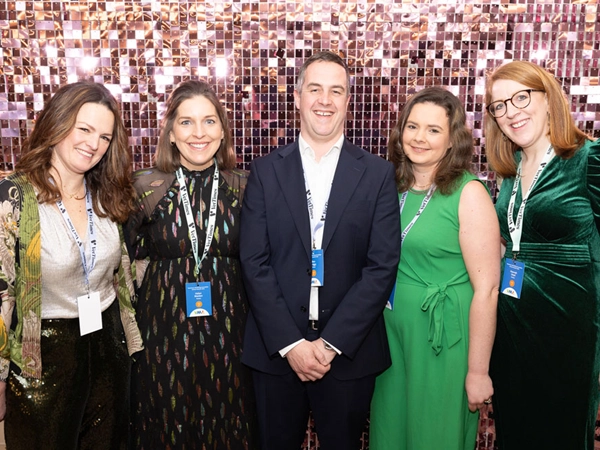
Pinstone wins PR campaign of the year at the VMA awards
Sustainability: The biggest marketing challenge in agriculture?

Sign up to our newsletter
Keep your finger on the pulse.