
Why infrastructure needs better communication
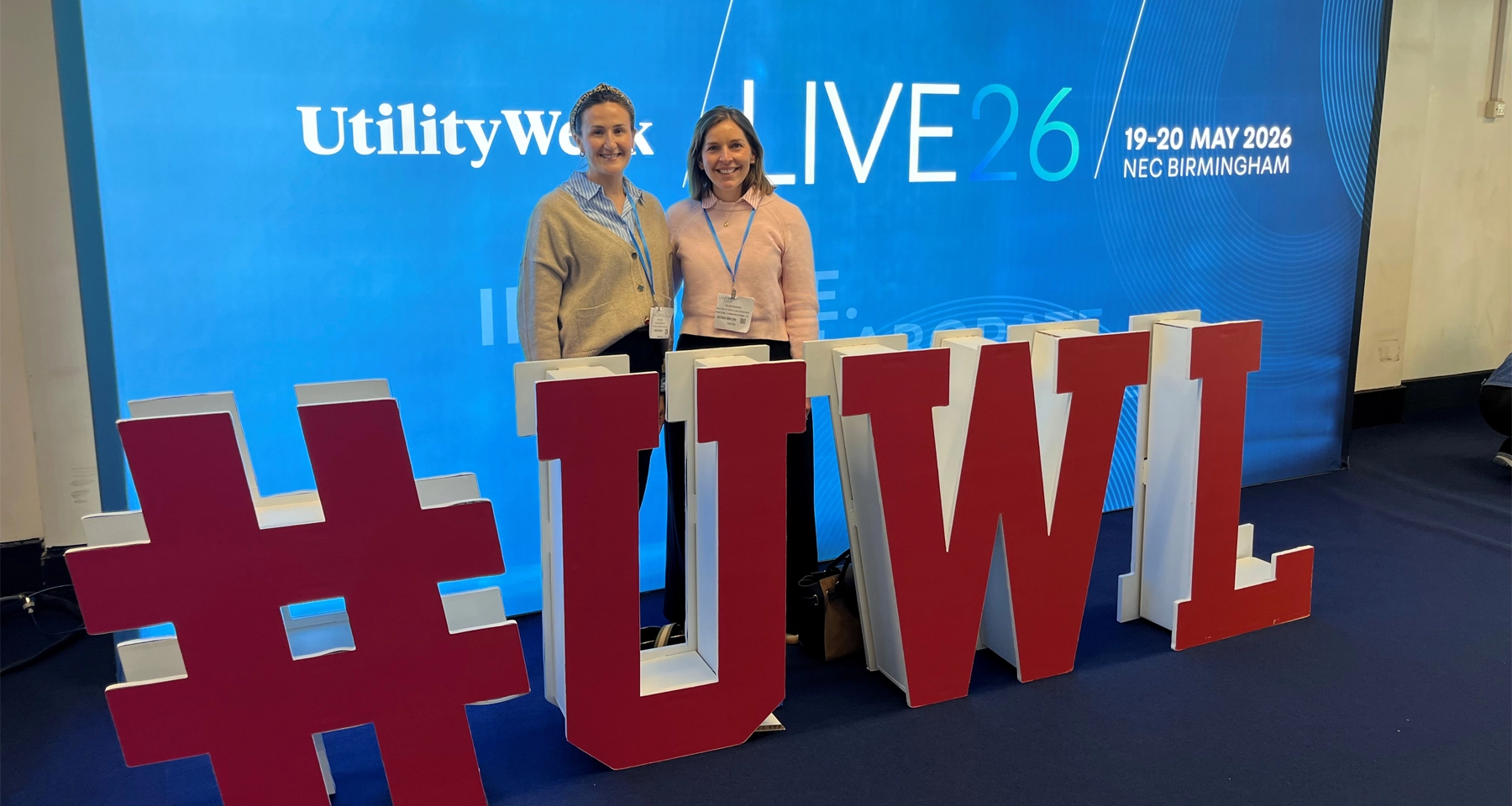
Reflecting on Utility Week Live, one theme that came through clearly was that the UK’s infrastructure challenge is not just about investment, regulation or engineering, it’s also about communication.
Why is communication such a big issue for infrastructure projects?
Across energy, water, gas, nature recovery and customer engagement, the sector is being asked to deliver more, faster and in a more joined-up way.
As agricultural PR practitioners, this matters to our clients and their stakeholders, as much of this change will happen on land, in rural communities and with the involvement of farmers, landowners and local stakeholders.
How are farmers and landowners becoming part of the infrastructure conversation?
The session on Biodiversity Net Gain, led by Dr Nick White of Natural England, showed how nature is now firmly part of the infrastructure conversation.
BNG can deliver benefits for nature, people and the development process, but decisions are often made by individual landowners. To deliver successfully, they need:
- Clear advice
- Long-term certainty
- The right policy and tax structures if they are to deliver successfully.
The same applies to nature-based solutions in the water sector.
As AMP8 brings a major period of investment, there is growing recognition that traditional infrastructure is not always the only answer.
Farmers and land managers have an important role to play in climate resilience, water quality, flood management and habitat creation.
What pressures are utility companies facing?
On the keynote stage, speakers from NESO, Cadent, EDF and the Environment Agency highlighted the scale of demand facing energy and water systems.
Data centres, population growth, climate pressures and regional development are all increasing pressure on utilities. The need for reliable, affordable and resilient infrastructure is clear.
Why improve communications for utility sector organisations?
The sector needs to tell its story better.
Traditional media and corporate spokespeople are not always enough. The most powerful stories often come from the people delivering projects on the ground and the communities affected by them.
Customers, landowners and rural businesses need language they understand, not technical jargon or regulatory detail.
This has most recently been demonstrated through Pinstone Pulse, which highlighted the importance of authentic communication and trusted voices in helping organisations connect with audiences in a more meaningful way.
AI and digital tools may support communication, particularly for younger audiences, but trust still depends on human voices, local understanding and honest engagement.
Why is community engagement important for infrastructure projects?
The utilities sector is entering a period of huge change.
To bring people with it, it must explain not only what is being built, but why it matters, who benefits and how communities, farmers and landowners can be part of the solution.
About the author – Helen Maiden
Helen Maiden is a Board Director at Pinstone with extensive experience delivering strategic communications campaigns across the food, farming and utilities sectors.
She has worked closely with organisations navigating complex environmental landscapes, most recently leading farmer-facing catchment PR activity for Severn Trent.
With a strong understanding of rural audiences, Helen brings first-hand agricultural insight to communications and storytelling.

More recent insights

How to choose a PR agency (and why most businesses get it wrong)

Masterclass will explore how to communicate with farmers on sustainability initiatives

Sustainability: The biggest marketing challenge in agriculture?

Sign up to our newsletter
Keep your finger on the pulse.