
Beyond the headlines: turning farming challenges into meaningful communications
Following a summer of extreme weather, Amy Corfield explores how the pressures facing livestock farmers are shaping decisions across the food supply chain – and why understanding those challenges is essential to more effective communications.
Drought, forage shortages, livestock productivity and food security have dominated the agricultural news agenda this summer. But are we looking closely enough at what these challenges mean for businesses across the food supply chain, and the opportunities for communications to make a meaningful difference?
A challenging growing season is not just about the weather; the decisions farmers make in response can influence production costs, investment and businesses across the supply chain.
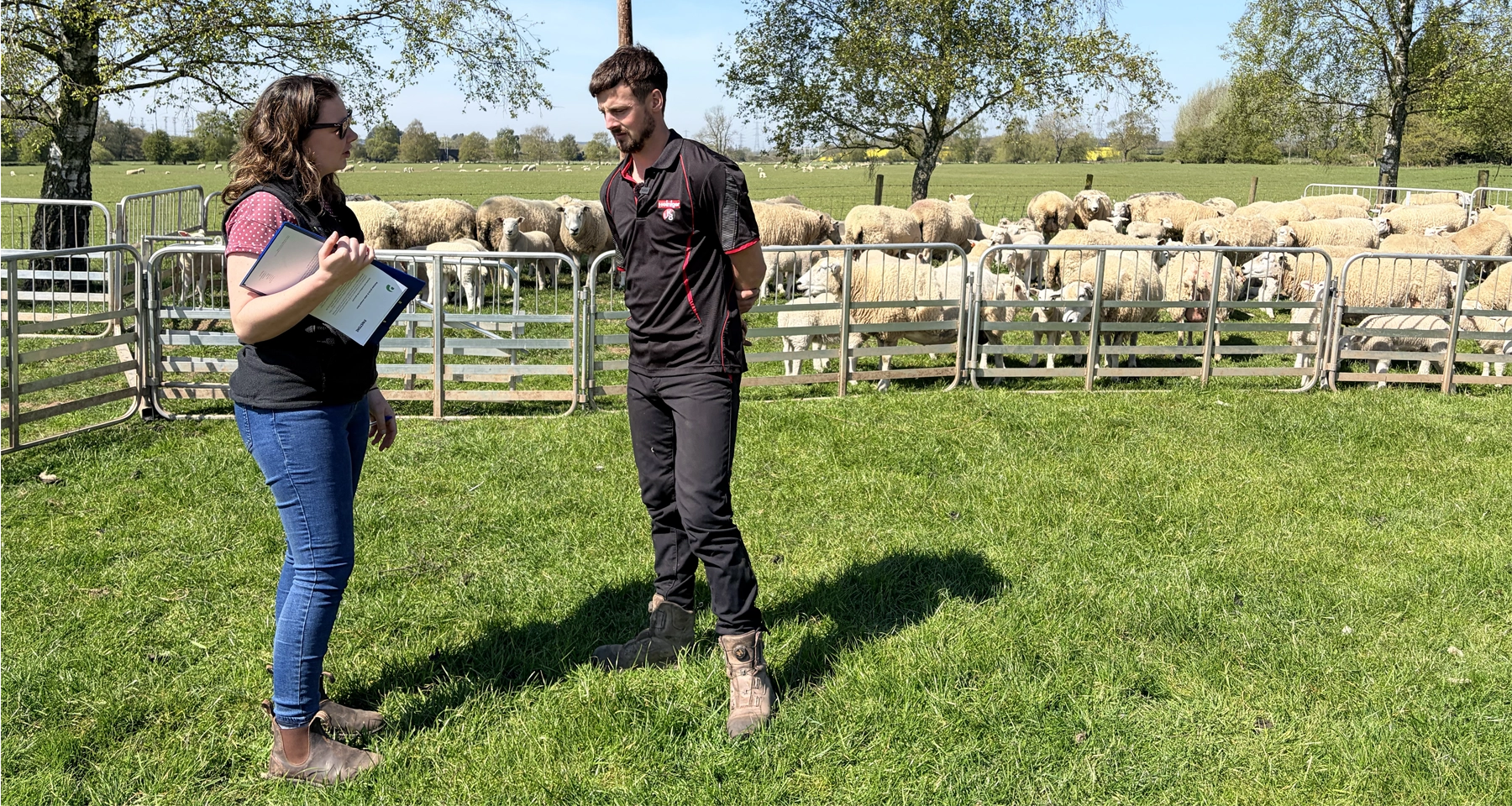
Having grown up on a livestock farm, and now working across food, farming and the environment at Pinstone, I think it's important to look beyond immediate farming challenges and consider what they mean for associated businesses.
When dry weather becomes a business challenge
Met Office figures put summer 2026 as the UK's hottest on record, with England receiving just 64% of its average summer rainfall.
For livestock producers, reduced grass growth and tighter forage supplies can mean difficult decisions about winter feeding, buying in additional feed or adjusting livestock management, putting further pressure on margins.
These knock-on effects deserve more attention, from greater demand for purchased feed to the way rising costs and uncertainty around livestock performance can influence future production and investment decisions.
Further along the food supply chain, these pressures can affect sourcing, costs and supply planning for businesses relying on British meat and milk.
It's a good example of why challenges on-farm matter well beyond the farm gate.
How farmer insight reveals changing risks
While forage availability is one of the more visible consequences of a dry summer, changing weather patterns are also influencing factors such as animal health.
Through our work with Elanco, we've been exploring how shifting weather conditions are influencing parasite management in sheep.
Research conducted by Elanco with Pinstone's support, involving 360 sheep farmers, found that 41% had noticed changes in the timing of parasite challenges over the previous five years. The survey also found that 85% had adapted their worm management practices, while 79% had changed the timing of blowfly management or treatment.
For me, the value of these findings lies in what they tell us about farmers' management decisions, especially when dry weather can temporarily reduce some parasite risks, before rainfall quickly changes the picture.
Established seasonal patterns are becoming less reliable, making monitoring and informed management decisions increasingly important.
For communications, research like this helps move the conversation beyond individual products and services It provides the evidence to challenge assumptions, understand changing farmer needs and develop advice and messaging that is genuinely relevant.
Resilience has to make commercial sense
That brings me to a point often missed. We talk a lot about building resilience in farming, but sometimes overlook what we're asking farmers to do, and at what cost.
Our Pinstone Pulse research, involving 344 farmers, offers an interesting perspective.
We found that 82% responded positively to the term 'farming productivity', while 85% said financial incentives would encourage them to make more sustainable changes.
Having grown up around farming, I know that decisions rarely come down to one consideration. Farmers are balancing animal health, productivity, environmental responsibilities and financial realities.
Encouraging investment in new technology or more sustainable practices is important, but the benefits need to be clear and commercially viable.
Building resilience also requires a joined-up approach, with businesses across the food supply chain recognising the pressures facing farmers and exploring how they can work together to create a stronger base of production.
Turning industry insight into better communications
For me, this is where the agricultural news agenda presents an opportunity.
It's not simply about commenting on what's happening. It's about understanding how developments are changing the decisions customers and suppliers need to make, and using that evidence to shape communications.
An animal health business might use farmer research to challenge outdated assumptions about parasite risk. A food business could use conversations with producers to understand how different growing conditions affect production, using that insight to inform everything from product positioning and marketing to longer-term supply agreements.
Both approaches go further than promoting a product or repeating a headline, demonstrating an understanding of the audience's challenges and offering useful insight in return.
That's something I try to bring into my own work with clients: understanding what's happening on farm, considering what it means for their audiences and finding the most relevant way to communicate it.
For businesses across farming and food, the opportunity is not simply to respond to the latest industry headlines, but to understand what lies behind them. That is where communications can move beyond commentary to offer genuine value.
About the author
Amy Corfield is a senior account manager at Pinstone. Having grown up on a farm, she combines first-hand agricultural knowledge with communications expertise, working closely with clients to develop and deliver strategic campaigns. Her approach focuses on understanding client objectives and audiences to shape effective communications activity.

More recent insights
British farming has a good story to tell. So why aren't we telling it?
The next big issue in food might not be making headlines yet.
Beyond climate despair – why the way we tell the story matters

Sign up to our newsletter
Keep your finger on the pulse.