
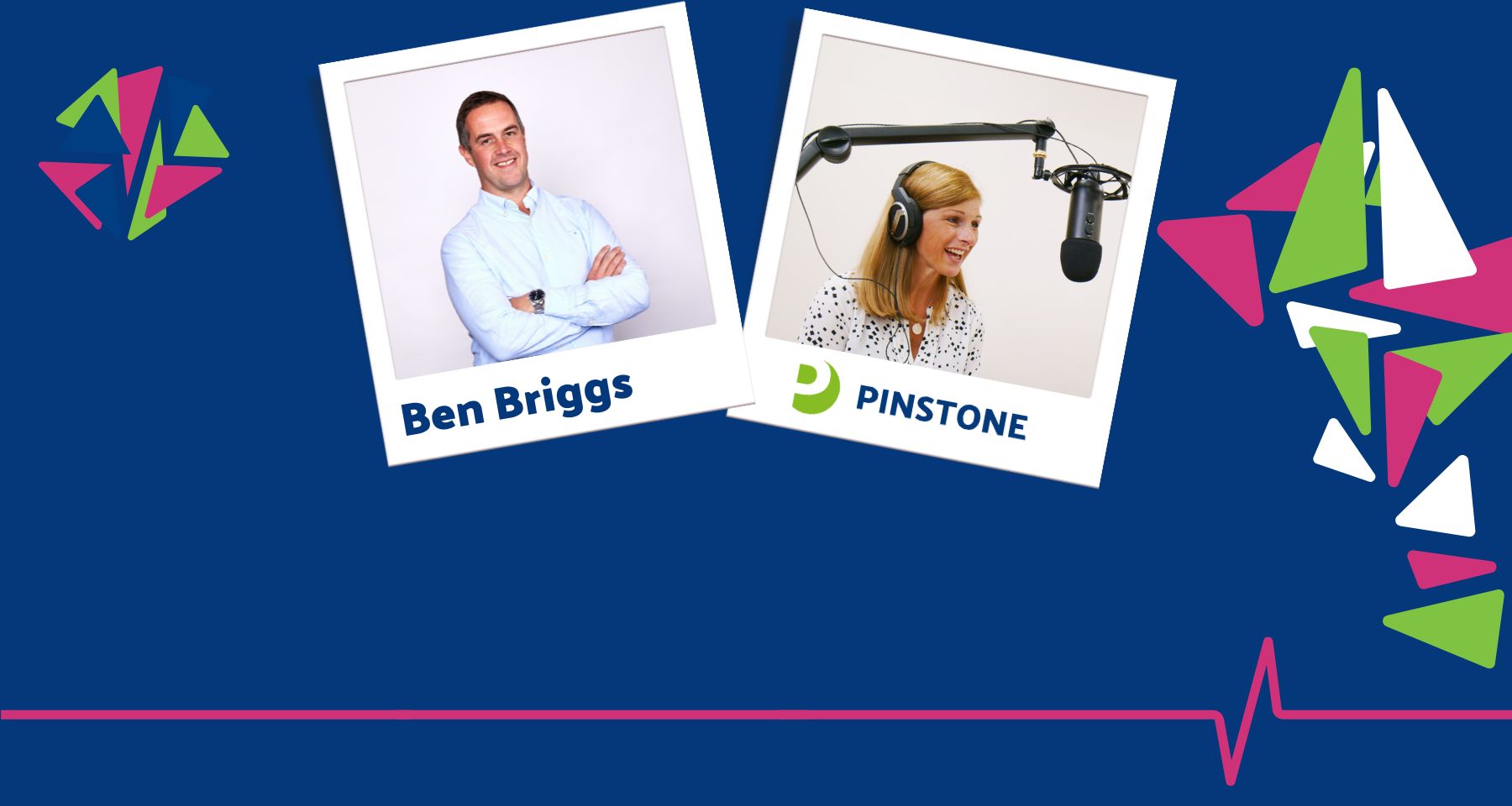
From journalism to comms and communicating with farmers in a changing world
New podcast episode explores how social media and AI have transformed the way we communicate with farmers
From journalism, to agency PR, to in-house comms – former Farmers Guardian editor and publisher Ben Briggs speaks to Pinstone MD Catherine Linch, about how social media and AI have changed the landscape of comms over his career, in a new episode of the Pulse Comms Cast podcast.
During his 22-year tenure in agricultural journalism, Ben says he always sought to be “the farmer’s friend” – but what do farmers actually think and feel, and how can we communicate in a way that resonates with them in a changing world?
These are among the questions explored in an introductory episode to the new series of Comms Cast, hosted by Pinstone managing director Catherine Linch.
The Pulse Comms Cast seeks to decode how to communicate effectively with farmers and rural audiences, exploring key findings from the recent Pulse report, Sustainability: From Pressure to Partnership, which sought views from 344 farmers on how they feel about sustainability messaging.
As he prepares to move on from a year in agency PR at Pinstone, to his next venture at the NFU – Ben reflects on how communication with farmers has changed during his career.
Language matters
“Pinstone Pulse really shines a light on the fact that some of the key messages around sustainability and nature-friendly farming are getting lost in a haze of jargon,” he says.
“The risk is talking around the subject, but people not really engaging properly with it if it doesn’t resonate.”
Among the most striking findings in the report were that 65% of farmers said too much corporate jargon around sustainability is off-putting, while 64% said the language used directly impacts how much they engage with the topic.
Ben notes during the podcast that the rise of social media means it’s never been easier to switch off from language or views that don’t resonate.
“Social media allows people to create little bubbles of their own making, little echo chambers.
“The need to understand your audience, how to communicate with them, and to use language that we know is going to resonate with them, is more important now than ever before.”
But while social media means brands now have a direct line to their audience, trade media should not be underestimated, as the report also found that farmers still view it as a highly trusted source of information.
Cutting through the AI noise
Ben and Catherine note that as well as the rise of social media, the increasing reliance on ChatGPT and other AI models means cutting through the noise and ensuring your messaging is heard, is more challenging than ever.
“There is a belief in this world of AI that we can all be content creators or journalists or good PR people. But that human connection and depth of comms experience, you just cannot replace that,” Ben says.
“It's not just about SEO anymore, it's about being top of those different kinds of search engines and AI overviews which people are now using.”
Catherine agrees:
“Getting the nuance right is imperative – you've got to be seen to be trusted, get the tonality and language right to really resonate with the person that you're talking to.”
During the conversation, they agree that good PR content must respect the publication, the reader and the client.
“If you're just going to come in and say this brand is the best, use this, you might as well advertise. That's not what good PR or good journalism is about,” Catherine says.
“It's about really resonating and making sure that you're saying something that's going to be useful and can actually be applied. Otherwise, the farmer's not going to read it. And if the farmer's not going to read it, then no one has met their objective.”
It’s clear from the conversation that social media and AI have dramatically changed the way we must communicate in order to ensure messaging lands in the right way, in the right place.
While there is no longer a single source of truth in the form of legacy media, credibility and the human connection with the audience, remain key.
In a world flooded with AI-generated content, brands must communicate in a way that makes farmers feel understood in order to stand out from the crowd – and seeking comms expertise in doing so is becoming ever-more important.
As Ben concludes: “Whatever your business strategy is, how you communicate that to your audience and to the wider world is absolutely key. And if comms doesn't have a seat at that table, then how are you ever going to convey that in a meaningful and engaging way?”
Listen to the podcast on Apple, Spotify or wherever you find your podcast and subscribe for future episodes.



More recent insights
Communicating the bigger picture in regenerative farming
The power of grassroots comms in driving engagement
Soil, science and the art of storytelling

Sign up to our newsletter
Keep your finger on the pulse.