

Beyond heritage: What Aberdeen-Angus can teach brands about earning farmers’ trust
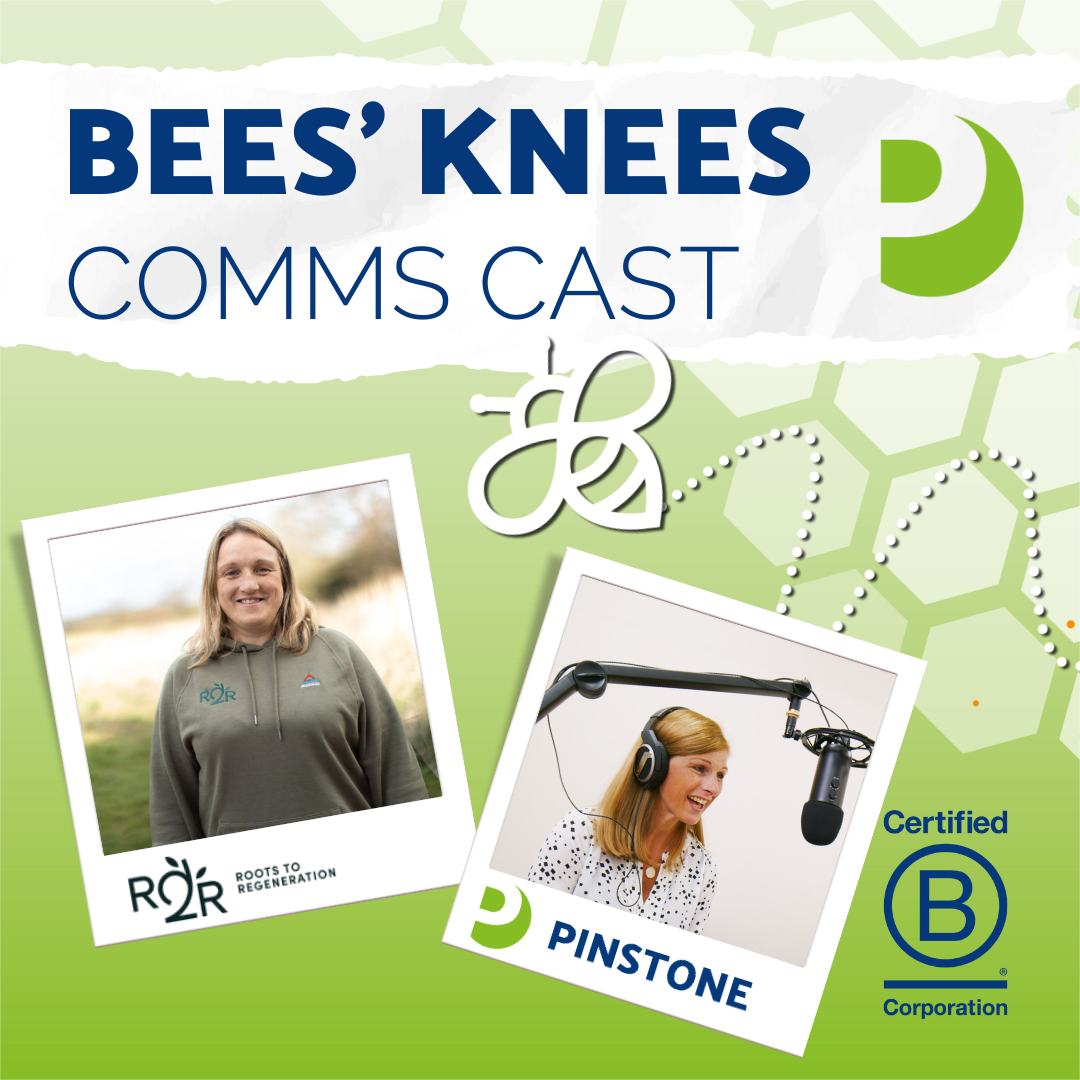
How can a brand with nearly 150 years of history stay relevant to modern farmers while protecting the reputation built over generations? In the latest Pinstone Pulse CommsCast, Catherine speaks to Robert Gilchrist, chief executive of the Aberdeen-Angus Cattle Society (AACS), about heritage, farmer influence and evidence-led communication.
Farmer influence is nothing new
Long before social media, Aberdeen-Angus breeders were finding ways to get their cattle noticed.
Robert explains how early agricultural shows gave breeders the chance to demonstrate the quality of their animals, including William McCombie taking cattle from Scotland to Paris in the 1880s.
“Taking the animals down the road and showing what we had up here was almost the viral marketing of the time,” says Robert.
“Today, it’s YouTube, but not much else has changed, as you’ve still got the same type of people who are enthusiastic about what they do and what they like.”
That value of farmer-to-farmer learning remains just as relevant today.
Pinstone’s Pulse report, Sustainability: From Pressure to Partnership, which surveyed 344 farmers, found 50% turn to other farmers in their network for advice and guidance.
It is something Robert has seen throughout his career.
“I’ve had a lot of experience on farms over the years and, without a doubt, farmers do buy from farmers,” he says.
Keeping heritage at the core
The AACS recently celebrated the 150th volume of its herd book.
For Robert, heritage is an important part of the breed’s authenticity and it’s key for the AACS not to stand still.
The next generation of farmers needs confidence that the breed will continue to perform.
“They’re looking for an animal that they know they can put in the field and is going to perform,” he says.
That means combining the Society’s heritage with modern developments in DNA testing, genomics and performance recording.
Robert says innovation has always been part of the Society’s history.
“Just actually gathering pedigrees and writing them down and putting them in a book, in the mid-1800s…. that was the most modern cutting-edge piece of technology available then,” he says.
Today, the Society is continuing that approach through new technology and a member-facing database.
Making sustainability meaningful
The conversation also turned to how the industry communicates sustainability.
Robert explains how the term has become so widely used that it risks losing meaning for farmers.
“Sustainability can mean everything. It can mean whatever you want it to mean,” he says.
His view reflects Pinstone Pulse findings, which show 65% of farmers believe there is too much jargon about sustainability, while 64% say the language used directly affects their engagement.
Robert says farmers are already motivated by many of the outcomes sustainability is intended to deliver, even if they do not use that terminology.
“Rather than relying on broad language, communicators need to connect sustainability to what farmers already value, including profitability, resilience and the future of the farm business,” he adds.
A brand needs solid oak credentials
For Robert, protecting the AACS reputation means making sure the quality associated with the name is delivered all the way through to the consumer.
It cannot be surface level.
“When you look at my desk, it looks like a beautiful piece of oak, but if you were to drop a hammer on it, you’d find there’s a very thin veneer and there’s actually chipboard with a nice little wrap over it,” he says.
“To me, that’s always the fear with the brand. I want to make sure that this brand we have is solid oak and not just a thin veneer or chipboard.”
That means understanding what the consumer is looking for and maintaining a consistent direction from breeding decisions through to the retail shelf.
“From a breeder deciding which bull to use, to a consumer picking a steak off the shelf, you’re talking probably seven years,” he says.
“We’ve got to think about what that consumer will be looking for by then.”
Robert says organisations build loyalty by demonstrating what works and using the success of one farmer to encourage another.
“I do believe in evidence-based decision making,” he says.
“You can stand there and say the breed is this and the breed is that, or the brand is this and the brand is that. What have you actually got to back it up?”
From early livestock shows to today’s digital platforms, the principle remains the same: credible voices, genuine experience and evidence of what works give agricultural brands lasting value.
Listen to the latest episode of the Pinstone Pulse CommsCast to hear more from Catherine and Robert.
Aberdeen-Angus Cattle Society quick facts:
- Established in 1872
- Aberdeen-Angus cattle originated in north-east Scotland
- His Majesty King Charles III is the Society's current patron
- In August 2026, the Society celebrated 150 volumes
- The Society runs a Youth Development Programme for young people



More recent insights

What makes farmers tune in: trust, attention and the power of podcasting

From journalism to comms and communicating with farmers in a changing world
Communicating the bigger picture in regenerative farming

Sign up to our newsletter
Keep your finger on the pulse.